
Bengali New Year 2026: Unique Traditions, Festivities & Viral Greetings for Subho Noboborsho

By Jay Mevada
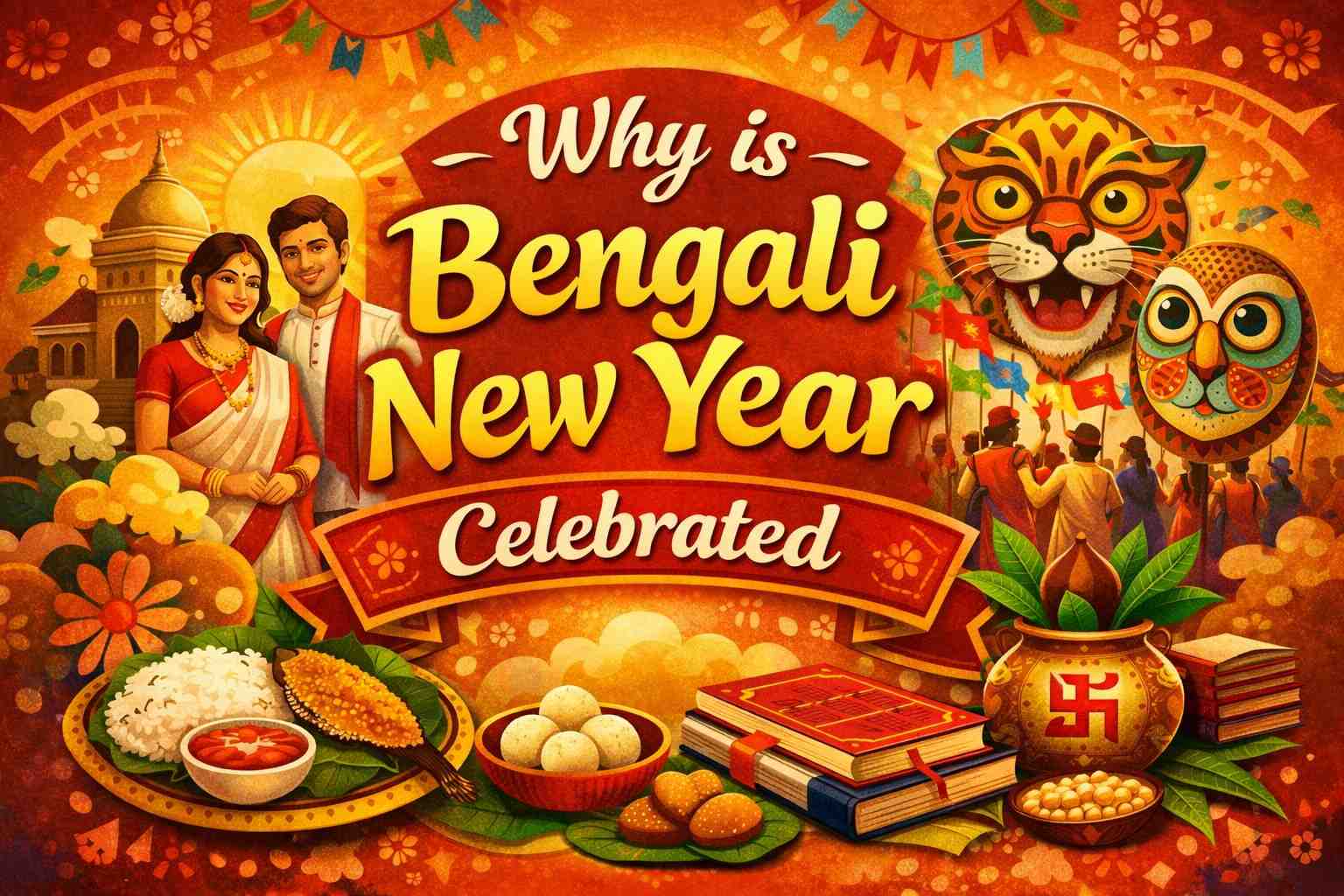
Bengali New Year 2026, widely known as Pohela Boishakh, marks the beginning of the Bengali calendar year 1433. This vibrant festival is celebrated with great enthusiasm across West Bengal, Bangladesh, and Bengali communities worldwide. It represents new beginnings, positivity, and cultural pride, bringing people together to celebrate life, tradition, and hope. The day is filled with joy, traditional attire, delicious food, and heartfelt greetings of “Subho Noboborsho.”

Bengali New Year is celebrated to mark the start of a new agricultural and financial year. Historically, it is closely connected to farming cycles, where farmers would settle their accounts after harvest and begin a fresh year with renewed hope.
The festival symbolizes:

- New beginnings and fresh opportunities
- Prosperity and financial growth
- Cultural unity and identity
It is not just a festival but a cultural reset, where people leave behind past struggles and welcome the future with optimism and positivity.
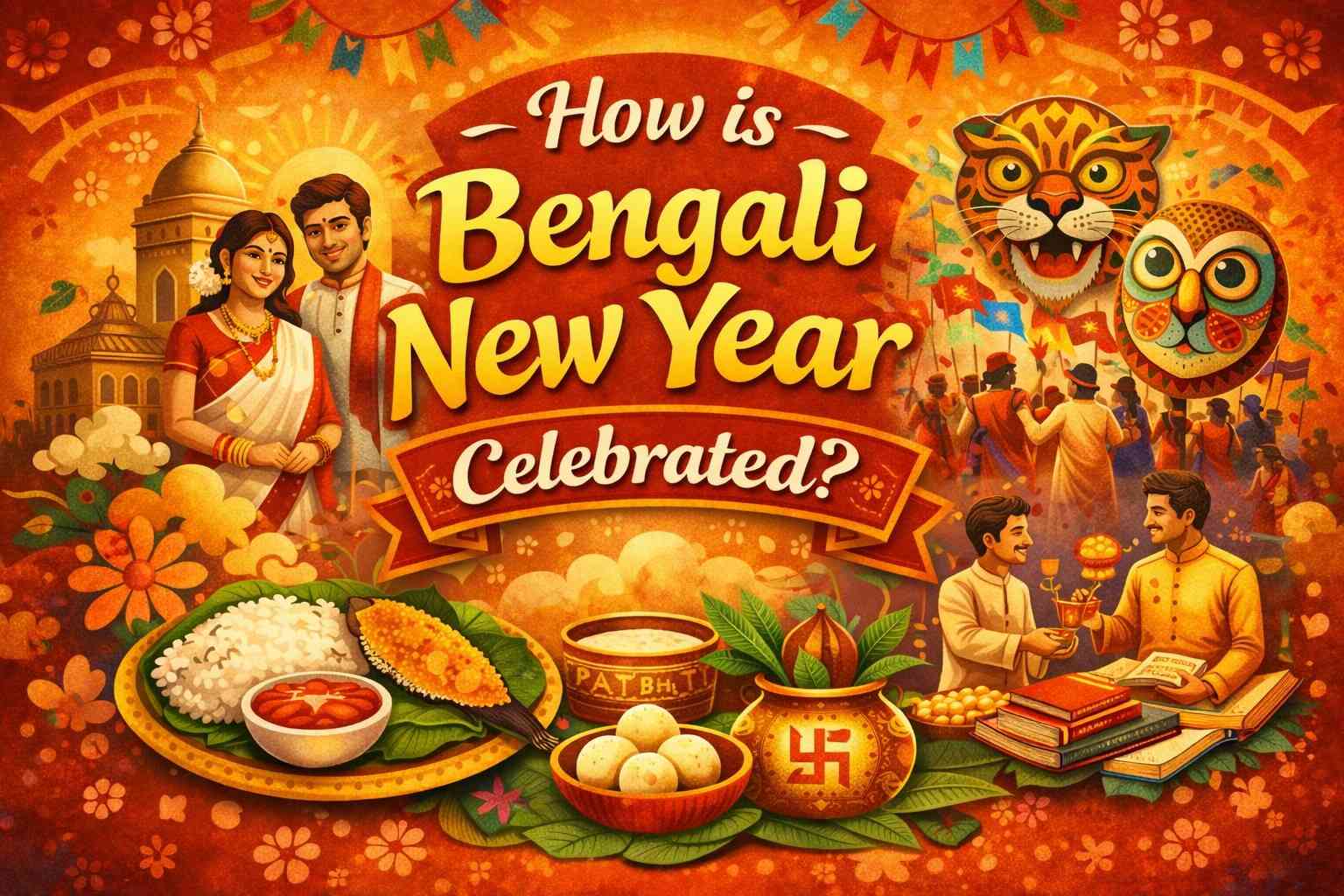
The celebration of Bengali New Year is a beautiful mix of tradition and festivity. People start their day with prayers and visit temples to seek blessings for the year ahead.

One of the most important rituals is Hal Khata, where shopkeepers open new account books and invite customers for sweets, symbolizing trust and prosperity. Streets are filled with colorful processions, music, and dance, especially the famous Mangal Shobhajatra.
People wear traditional red and white outfits, adding elegance and cultural richness to the celebration. Food plays a major role, with dishes like Panta Bhat and Ilish fish, along with sweets such as Rosogolla and Sandesh, making the day even more special.

The origin of Bengali New Year dates back to the reign of Akbar, the great Mughal emperor of India. During his rule, the traditional Islamic lunar calendar did not align well with agricultural harvest cycles, making tax collection difficult.
To solve this issue, Emperor Akbar introduced a new calendar system combining the lunar Islamic calendar with the solar Hindu calendar, which later became the Bengali calendar. This system helped farmers pay taxes based on harvest seasons, making it more practical and efficient.

Over time, this administrative system transformed into a cultural festival, evolving into the Bengali New Year we celebrate today.
Food is an essential part of the celebration. The iconic dish Panta Bhat (fermented rice) with Ilish (Hilsa fish) represents simplicity and cultural pride. Along with this, Bengali sweets like Rosogolla, Sandesh, and Mishti Doi add sweetness to the festival.
Families come together to enjoy grand meals, making the celebration more joyful and memorable.
In 2026, celebrations have gone digital, with people sharing viral greetings, WhatsApp statuses, Instagram reels, and personalized videos. Hashtags like #SubhoNoboborsho2026 are trending across social media platforms.
Digital celebrations help people stay connected, making the festival more global and modern while keeping traditions alive.
Best Wishes for Subho Noboborsho 2026
- “Wishing you happiness, prosperity, and success this Subho Noboborsho!”
- “May the Bengali New Year bring new opportunities and endless joy.”
- “Shubho Noboborsho! Start the year with positivity and hope.”
Bengali New Year 2026 is a perfect blend of tradition, culture, and modern celebration. From its historical roots during the time of Emperor Akbar to today’s digital celebrations, the festival continues to evolve while preserving its essence. It is a time to celebrate new beginnings, unity, and happiness, making it one of the most meaningful festivals for Bengali communities around the world.
Editorial Standards & Verification
The information provided on this report — "Bengali New Year 2026: Unique Traditions, Festivities & Viral Greetings for Subho Noboborsho" — has been strictly verified for accuracy by our content desk in Surat. Our editorial team follows a double-check protocol to ensure that all data regarding Entertainment is authentic and current as of Apr 14, 2026. Read full Policy
Jay Mevada
Jay Mevada is a seasoned digital journalist and news analyst with over 3+ years of experience in content creation. He leads the editorial desk at Global Info, specializing in Business, Tech, and Global Events analysis. Based in Surat, Jay is committed to bringing human-first, factual reporting to a global audience.
Discussion (0)
Join the conversation.
Sign In to CommentNo comments yet. Be the first to start the discussion.